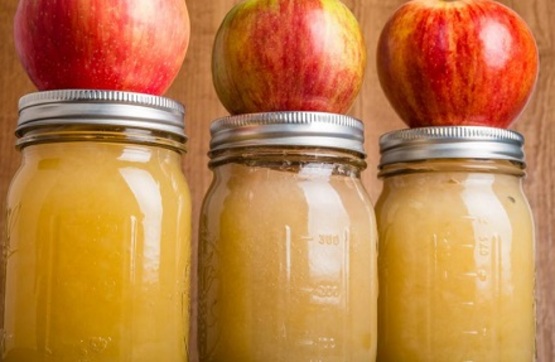
Applesauce can be water bath canned!
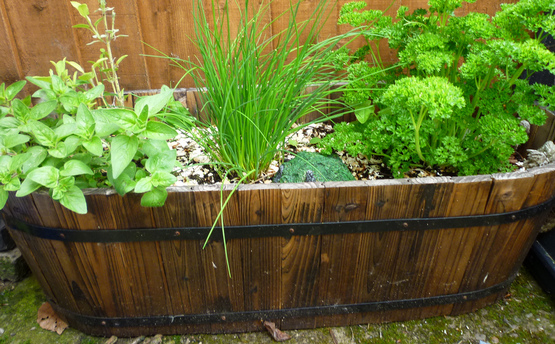
Growing and drying herbs!
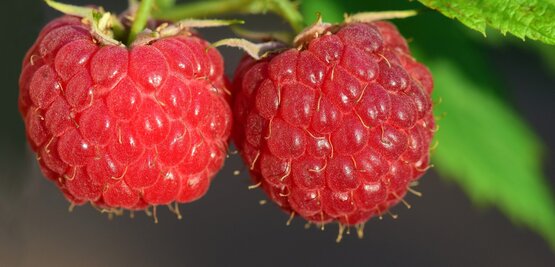
Freezing berries!
Food Preservation
Whether you're preserving your own harvest or you've purchased locally grown fruits or vegetables, canning, freezing and drying can be effective ways to serve foods that taste harvest-fresh at a later date. To ensure that the products you serve are safe, it is important to follow tested guidelines for safely preserving foods by these methods. Cooperative Extension offers both information and hands-on, small group training in a variety of home food preservation topics.
The National Center for Home Food Preservation has some excellent resources available to all home food preservation enthusiasts!
Have a specific Food Preservation question? Email our Master Food Preservation Volunteer Educator, Michele Conners, at monroemfp@cornell.edu or Nutrition Educator, Alyssa VanValkenburg .
For a great article on canning tomatoes, check out this resource: Canning Tomatoes: Do's and Don'ts (psu.edu)
Drying and Dehydrating
As summer winds down and Fall routines start I find myself still wanting to preserve our beautiful local produce, but with less 'active-work' time. An easy way to do that is with one of the oldest forms of food preservation - DRYING or DEHYDRATING. And let's talk about what to do with the last of the herbs before we get the Fall freeze.
Herbs, fruit leather, vegetables that can later be used in soups, snacking, jerky... There are many great uses for dehydrated and dried produce! Here are 5 recommended methods, with my favorite for Herbs that uses no special equipment at all.
Desired temperatures for safe dehydrating
Herbs 95 - 125 F
Fruits & Vegetables 135 - 140 F
Meats 145 - 160 F
Jerky 160 F
Electric Dehydrator - Maybe the most effective method because you have full control over the drying process. Commercial dehydrators come in different shapes and sizes with varied features. They should have a heat source regulated by a thermostat so that you can set the control for what you're drying.
Home Oven - Usually the lowest temperature is 170 F, which is too high for slowly removing moisture without drying out your items.
Convection Oven - Provides air circulation, but again, the temperature needs to be within the recommended ranges.
Microwave - Only use for drying herbs before the food cooks.
Air Drying - Used for Herb stalks only. This couldn't be easier!
Wash and dry the herbs.
Hold stems in a bundle no larger than a quarter.
Suspend herbs in a brown paper bag.
Close bag tightly around stems.
Cut holes in the bag for airflow. Write herb name and date.
Hang in a warm, dry, ventilated area.
Check for dryness every few days.
Store in an air-tight container in a cool, dry place.
Resources
National Center for Home Food Preservation Website
Site includes science-based information on home food preservation.
So Easy to Preserve, University of Georgia.
For more information visit the University of GA Extension Website .
Canning Equipment: Using a Steam Canner , Using Boiling Water Canners , Using Pressure Canners .
Penn State University Food Preservation Data Base .
Cost of Preserving and Storing Food .
The Cornell Food Venture Center provides assistance to food entrepreneurs.
Last updated April 24, 2026